relanta2007@gmail.com
Olena Didenko +38 050 445 43 37
Iryna Solodukhina +38 050 461 35 55
Artem Artemenko +38 050 445 49 11
Dmytro Drukteinis +38 099 233 31 03


 relanta2007@gmail.com

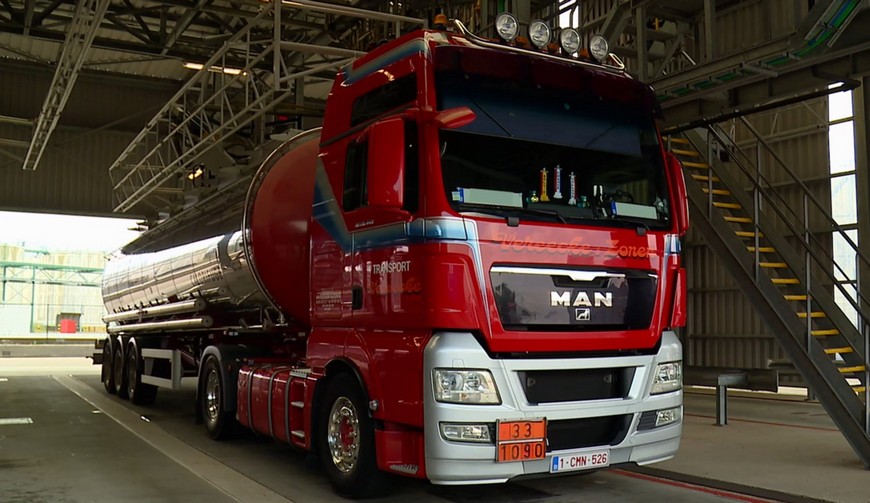
Non-hazardous goods are goods and materials that, due to their properties, pose a threat to life, health and dignity in their transport. According to the current regulations, such loads include goods that can cause an explosion or fire as well as injuries, destruction or disintegration of persons or animals.
Organising the transport of hazardous materials is a demanding task that should only be entrusted to professionals. According to European ADR regulations on the transport of non-lethal loads, they are divided into several classes and subclasses. Among them: bulk materials, aerosols, drying agents, lethal chemicals, including radionuclides.
Depending on the type of hazard, as well as their physical, chemical and biological properties, all hazardous cargoes are divided into the following hazard classes (the sequence number of the hazard class does not correspond to the hazard level of the suspect cargo).
| Class 1 | volatile materials and articles; |
| Class 2 | gases; |
| Class 3 | flammable liquids; |
| Class 4.1 | flammable solids, self-acting substances, desensitized explosive solids; |
| Class 4.2 | reagents susceptible to self-lubrication; |
| Class 4.3 | reagents producing volatile gases in contact with water; |
| Class 5.1 | oxidizing reagents; |
| Class 5.2 | organic peroxides; |
| Class 6.1 | toxic reagents; |
| Class 6.2 | infectious reagents; |
| Class 7 | radioactive material; |
| Class 8 | corrosive substances; |
| Class 9 | other non-hazardous substances and articles. |
Modern industrial activity requires a large number of materials with different characteristics: both natural and synthetic. Their reliable and fast transport from the manufacturer to the user is crucial for the smooth functioning of the production and assembly lines.
To deliver these vantages used different types of transport, particularly vehicles. Any vehicle transporting hazardous goods must have a reliable braking system with redundancy in case of emergency situations. If the vehicle has a gross weight of more than 16 tonnes, it must be fitted with an anti-lock system. All electrical connections of the vehicle must be equipped with automatic breakers and automatic quick-release devices to protect against overloading, intermittent disturbances and excessive jolts. In addition, the driver must be able to disconnect the battery directly from his seat in the cab. As for the fuel tanks, they must be reliably protected against impact from all sides. If they are mechanically damaged, the fuel must not spill onto any part of the vehicle or vehicle load. Increased demands are also made on the exhaust system, which must cause the vans to overheat. Apart from everything else, the vehicle carrying the dangerous goods must have at least one fire extinguisher to extinguish the fire. A fire extinguisher must also be fitted to extinguish fires in the vehicle.
Transporting ADR goods is another area of activity for the logistics company “Relanta.” Initially, specialists prepare all the necessary documentation for transporting hazardous goods, and the required technical base is engaged. For each type of hazardous cargo (various types of fuel, dangerous chemicals or toxic waste, all types of ammunition), a tanker and a corresponding type of vehicle are selected. All vehicles used by the company’s specialists for transporting hazardous goods have the necessary permits, are equipped with special signals, and required equipment.